Gaelic Cycling: Why Dutch Cycling Infrastructure Works – Insights from Active Mobility Expert Marco Mulder
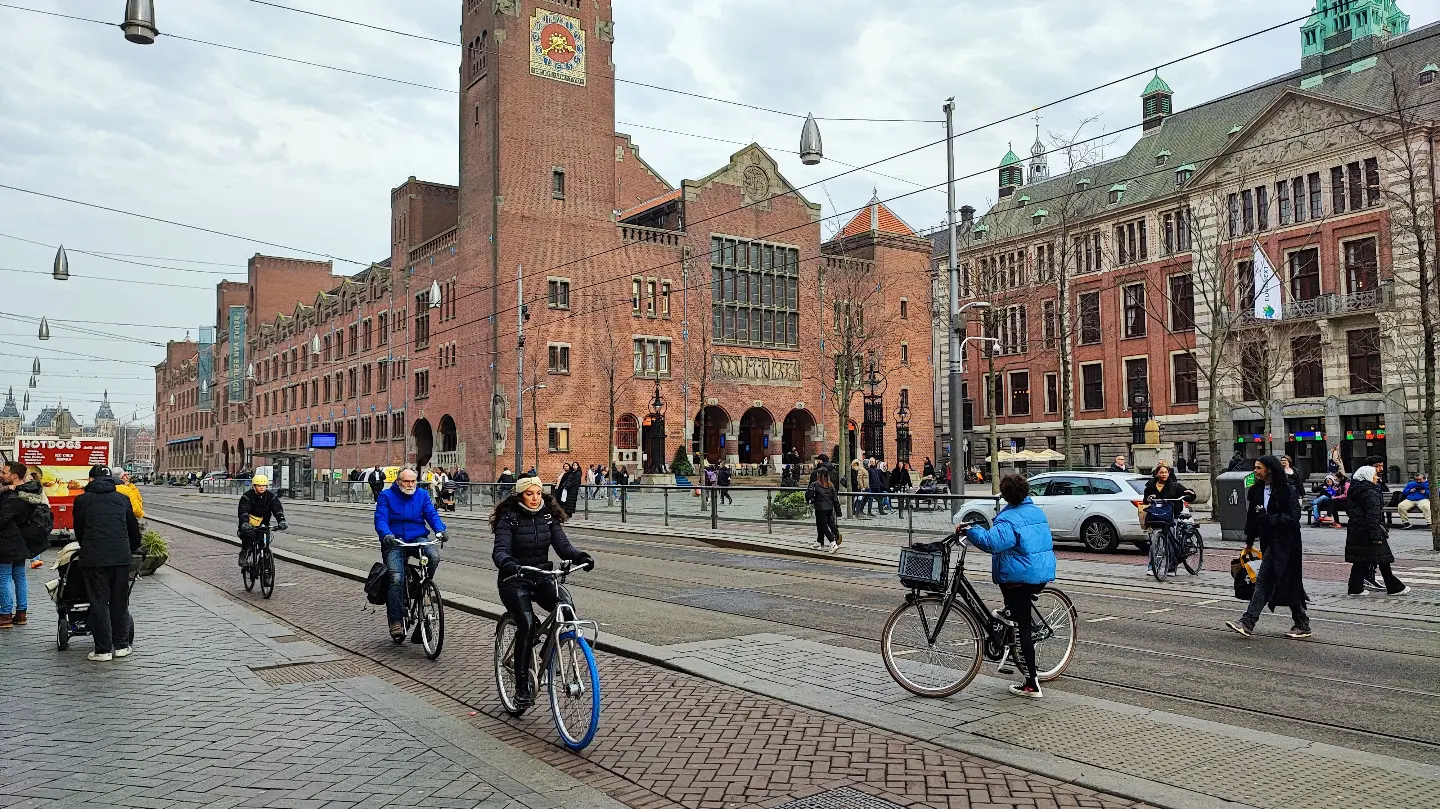
Marco Mulder, better known as Gaelic Cycling, is part of a new generation shaping how cities think about movement. Leading a team of transport planners at Arcadis, with a strong focus on active mobility, he works at the intersection of infrastructure, behavior and everyday travel. Through his content, he brings the Dutch cycling model closer to a global audience, breaking down how cities like Utrecht and Amsterdam function on two wheels, from commuting to last-mile solutions, sharing insights from his reels and posts.
In this Bikademy interview, we discuss what makes Dutch cycling cities work, why world-class cycling infrastructure is only part of the equation, and how everyday cycling can transform the way we move through our cities.
We saw that you create content about cycling in the Netherlands. How did your journey into cycling, mobility and infrastructure begin?
I guess it all started when I was little. Cycling is something very common for Dutch people, and I loved the feeling of freedom it gives from an early age. I did my first bike packing holiday when I was 16. I studied Environmental and Infrastructure Planning in Groningen. That’s where I first got interested in the topic professionally and during my job life I became more interested in the bicycle. I worked for Goudappel, Arup and now Arcadis and during my period at Arup I started specializing in the bicycle and applying my knowledge to international projects.
You’re leading a team of transport planners at Arcadis (global consulting company), focusing on active mobility. Would you say this is your dream job and what does a typical day look like?
It is, I get to combine working on projects about cycling with shaping and leading a team of professionals with more or less the same passion as me. My typical day does not exist, but in general about 40% of my time is spent on project work, such as leading a project to plan and design a Regional Cycle Corridor for Utrecht. 60% of my time goes to helping team members, keeping them happy, setting out strategic directions for the team, etc.
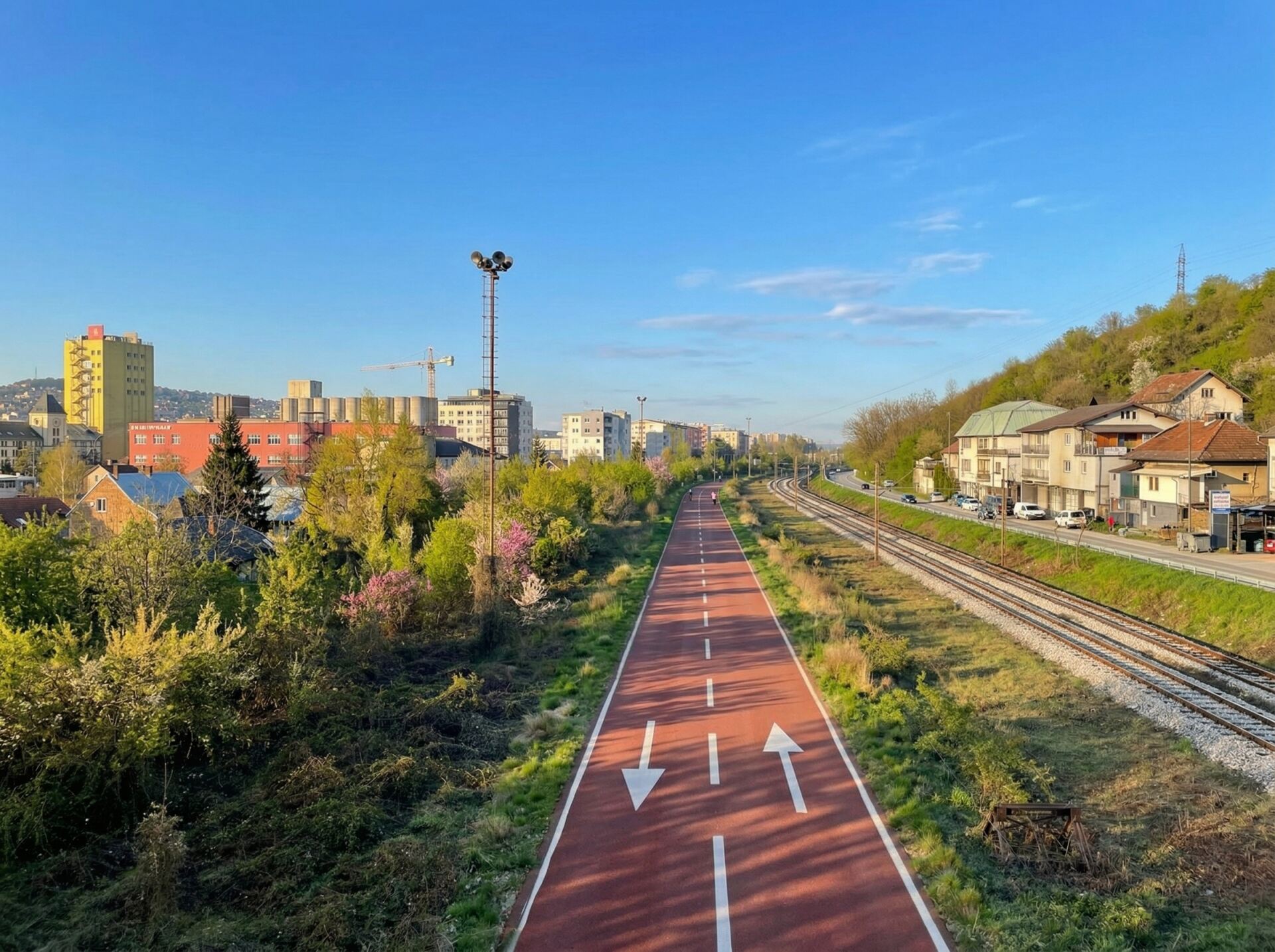
The Netherlands is often seen as the global benchmark for cycling infrastructure. From your perspective, what makes it truly work in practice: infrastructure, culture or behavior?
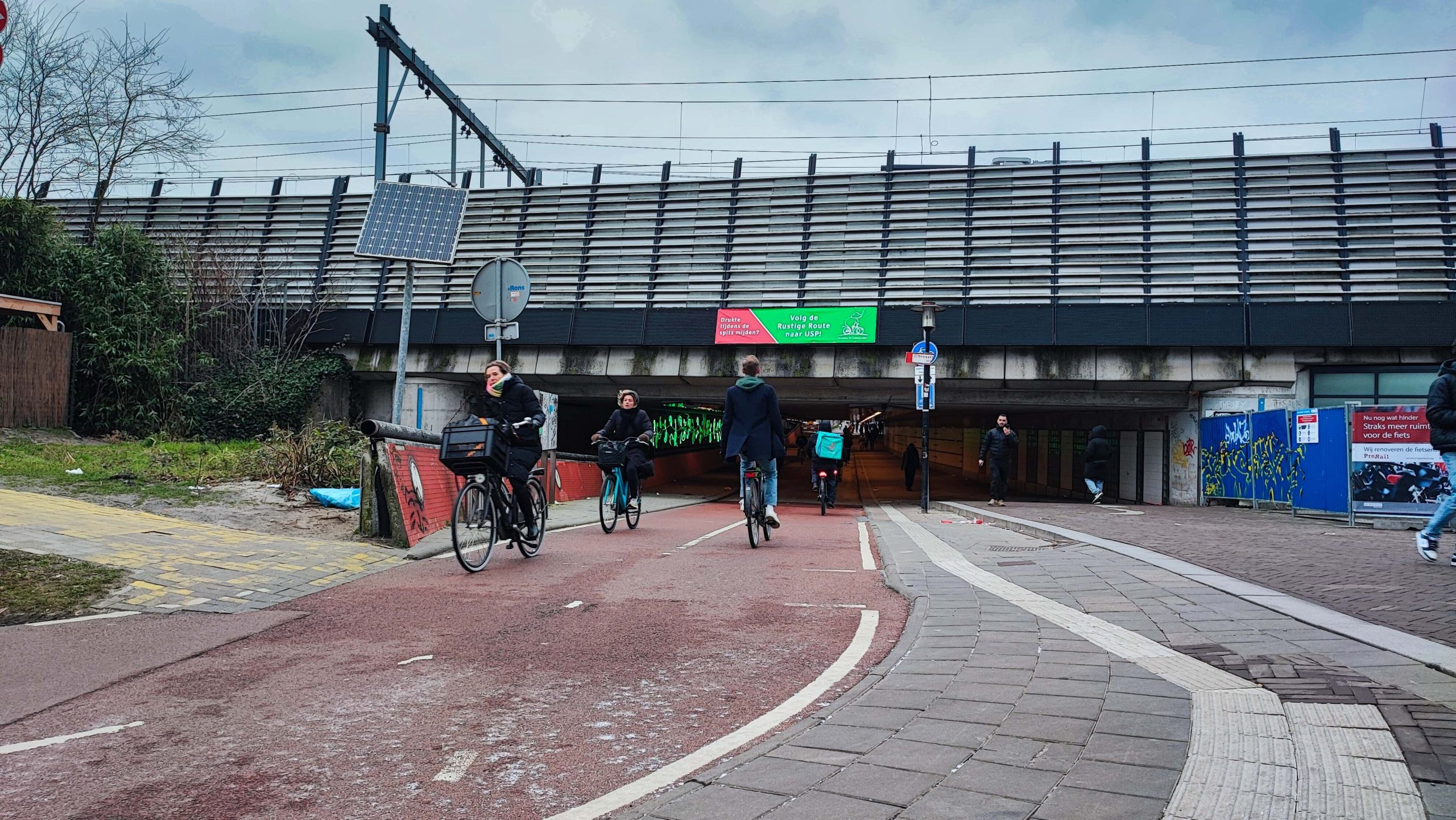
I believe that infrastructure is the most important element, and infrastructure with no concessions to the quality of it, designed for all ages. If you have that in place, the rest will follow.
From your experience, what are the biggest mistakes cities make when trying to become more cycling-friendly?
I would highlight two major mistakes here:
1) Designing a network with a car mind. It often happens the cycle network is purely a copy paste of the main road network. Cyclists have different needs, directness is just one of those needs.
2) Developing small sections of the network at a time. Continuity or coherence is one of the main needs of cyclists. Developing a discontinuous network will disappoint cyclists that are not die hard cyclists. Therefore my recommendation is to develop full routes.
Can you recommend some areas in the Netherlands that are ideal for exploring by bike?
I can recommend many areas in the Netherlands, but I would always promote the province where I grew up first, which is Overijssel. The province has some ‘hilly’ parts, forested areas, some nice rivers, lakes, and some really picturesque old cities (like Deventer and Zwolle). So basically it has it all!
As an urban commuter, is there one city you’ve been to that felt perfect for cycling, and what made it click?
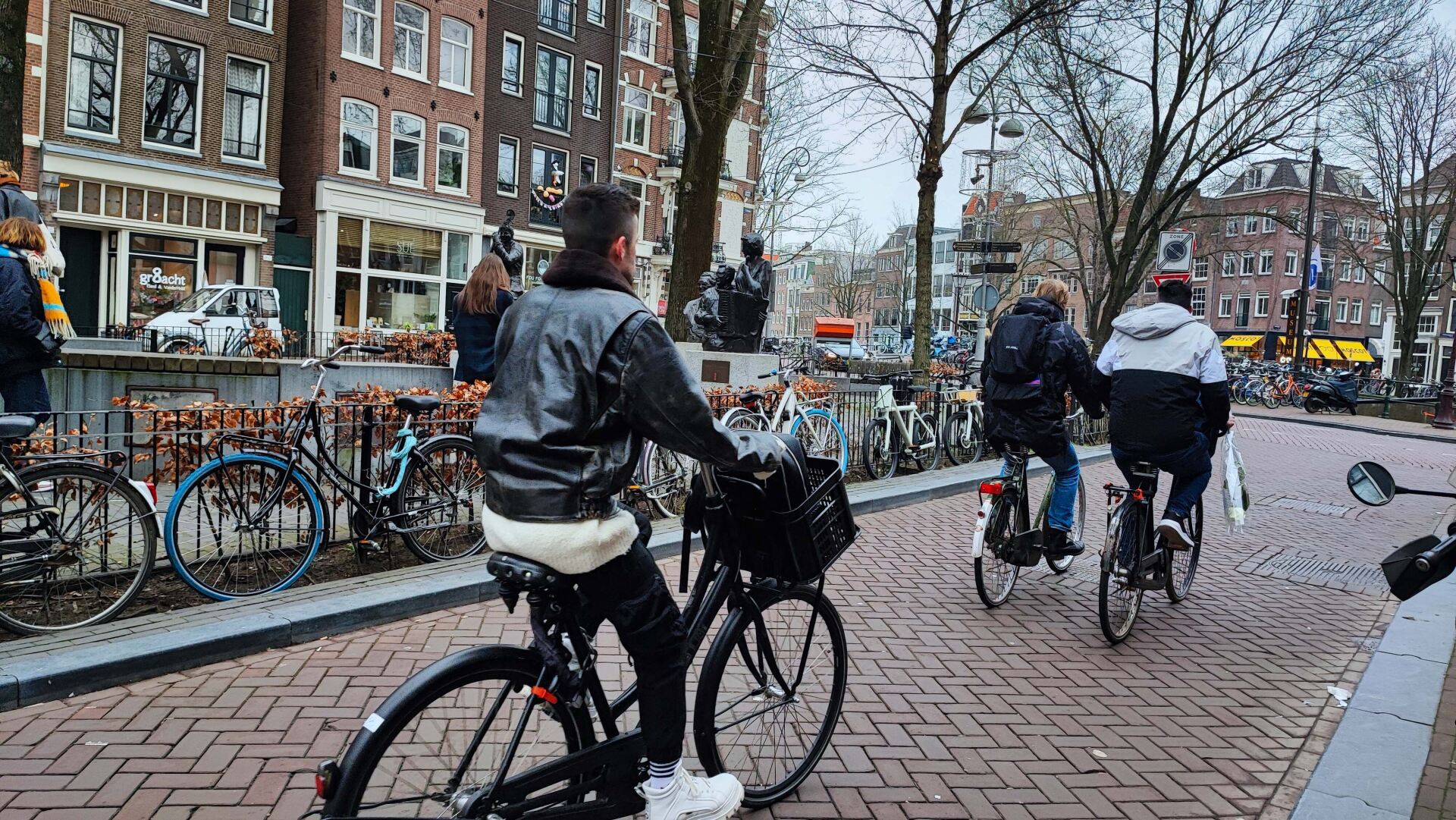
Utrecht and Amsterdam are cities on a different level, but those two are definitely the best in The Netherlands. Abroad I oftentimes do not feel the same, but if I had to recommend one city that has great potential and is doing a lot it’s Warsaw!
What would you say to someone who owns a bike but still chooses not to use it for daily rides?
Just start using it!
Thank you, Marco, for sharing your perspective and showing us what makes cycling cities truly work. We’ll certainly keep following your inspiring content on Instagram and wish you many more successful projects and enjoyable rides.
Follow Bikademy on socials


Powered by